The SAT has been the primary gatekeeper of students at U.S. universities for a long time. A good SAT score nowadays is a kind of world currency, gateway is all but made available to high-end institutions, such as colleges throughout Singapore, Canada, the United Kingdom, Hong Kong SAR, and beyond.
The SAT has now become a dependable indicator of academic preparedness among most of the world’s top universities, and particularly among academics pursuing careers in subjects like IB, A Levels, and National Boards.
For example:
- Major universities in Singapore, like Singapore Management University (SMU) and Nanyang Technological University (NTU), mandate a minimum combined score (1350+) and cut-offs in the core subjects.
- The University of Toronto and the University of British Columbia in Canada, for example, are more insistent on competitive SAT performance — particularly for Engineering and Business studies.
- In the UK, Russell Group and G5 universities in the United Kingdom require students with high SAT scores in addition to AP for access.
- SAT is one of the admissions considerations in Hong Kong SAR for HKUST and City University.
- SAT scores serve as a gateway into Waseda and Yonsei, two universities in Japan and South Korea, whose undergraduate programs focus on English instruction.
- In Australia, leading universities such as the University of Melbourne, the University of Sydney, and the Australian National University may accept SAT scores as part of their entry requirements for international students, particularly those applying with non-traditional curricula. Competitive scores can strengthen applications for selective programs, especially in fields like Business and Engineering.
Understanding this global distribution indicates that this is where a good SAT performance must be across U.S. borders.
SEE ALSO: https://estep.asia/where-will-your-sat-scores-take-you/
Become Better On the SAT By Learning to Study Effectively And Strategically.
An SAT score above average isn’t something you can attain by rote memorization. Unlike APs or A-Levels, which focus on specific subjects, reasoning and analytical skills, and not just being able to recall facts, are assessed in the SAT. Truly, you should stop thinking from “what” to “how” your thinking. And here’s a more structured articulation of that method:
- Think Strategy Than Content.
Since the SAT is an abstract test, you will not be successful unless you can actually take the exam and not memorize a book. What are some of your points to pay attention to?
- Time: How to keep pace so you’re not leaving points on the table.
- Deconstruction of questions: The capacity to ‘unpack’ the question so that they can see exactly what is being asked.
- Logic: Reasoning to remove “distractor” answers and make sure the correct solution is arrived at to the best of our ability.
- Learn Efficiency through Diagnostics. Effective learning is less about solving every single problem in a book and more focused.
- Define Weaknesses: Use diagnostic tools to pinpoint specific areas where you struggle.
- No Redundancy: Don’t spend hours on concepts you’ve already studied.
- Target All Your Energy: When you determine your “weakness areas,” every hour of study contributes directly to a higher score.
The Marathon Mindset.
You cannot sit for a test that requires much preparatory thinking. The SAT is much less of a sprint; instead, it requires a marathon. But you should train until you do that time well and keep going through the examination so as to build on “muscle memory” consistently. It isn’t that you will have to be a marathonist or fastidious planner who needs to worry about exams all day: the key is to actually get the homework done and to adjust your steps until the analytic process is fully automatic.
Analytical Reading Skills
What is the SAT really about? Reading evidence, analyzing arguments, and sharpening clarity, not only language fluency. In reality, mastery of evidence-based selection means being able to point to the actual lines or data in the middle to answer the question.
Practice in More of a Targeted Way Than Volume: It’s mastery acquisition that leads to improvement, not regular practice. If you can pinpoint your specific weaknesses (e.g., weaknesses with inferential questions or time management skills, to name a few), you can determine where your resources should be put to the most effective use.
Error Analysis: Each mistake is Data. Happy students recognize errors — if not the right questions, forgotten the students’ vocabulary, or were distracted by a trap — and do their best not to make the same mistakes again when their learning is early, and they are new.
And if you want to improve your average on the SAT from global top-line learning, you really have to be willing to shift how you think.
The eSTEP SAT Self Learning Portal revolutionizes the SAT testing environment with integrated AI and expert SAT teacher insights using the algorithmic capabilities of AI-enabled platforms.
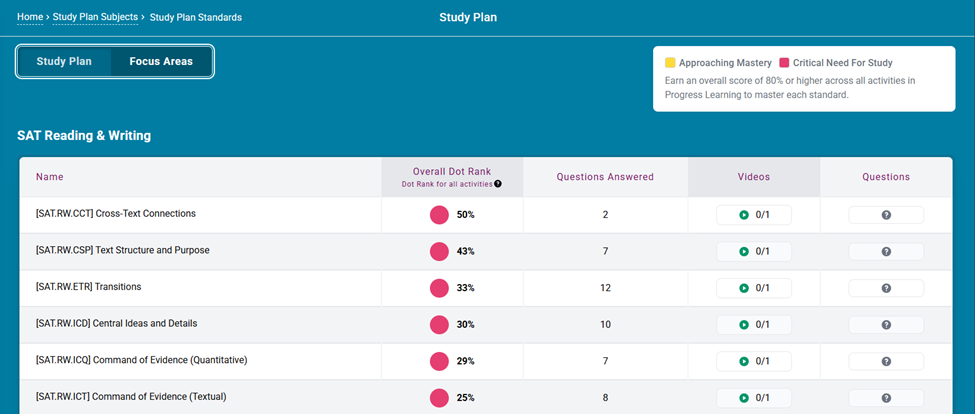
- AI Automated Diagnostic Test:
This platform learns about your skills (e.g., distinguishing “Words in Context” from “Cross-Text Connections”) and creates a personalized test learning path that focuses only on your weaknesses. This also saves precious study time by not wasting time on a learned subject.
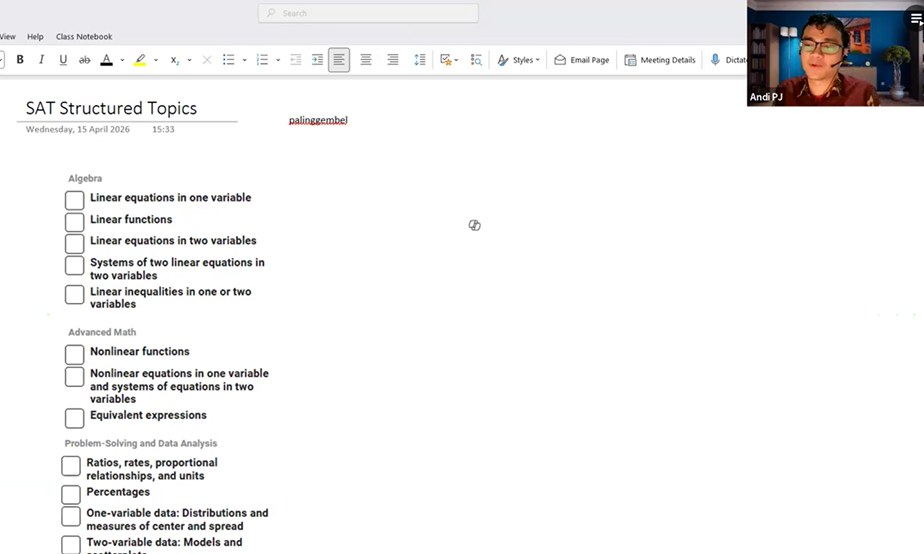
- Master Teacher Expertise:
In addition to simply instructing students on what to study, veteran SAT instructors tell students why some questions are hard, which builds strategic thinking to help students notice things like “trap answers,” time management, and reasoning for evidence-based questions.
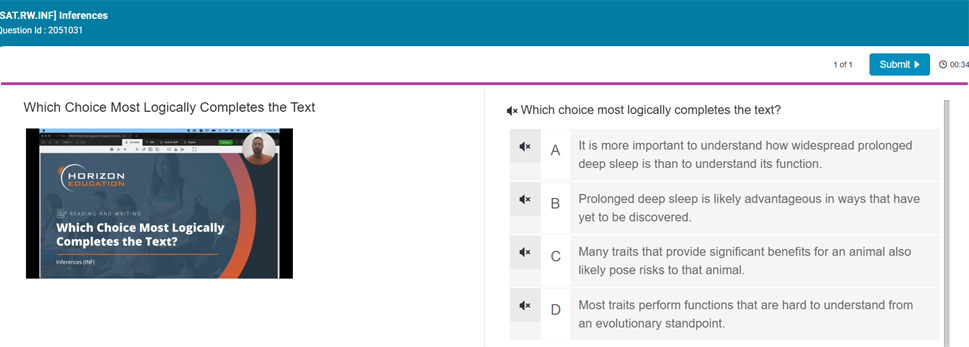
- Combined Benefits:
Automated error analysis becomes empowered with expert-curated lessons paired with video explanations, creating a high-quality learning experience. With human guidance behind them at every step, students grasp the comfort factor of the Digital SAT adaptive approach. This hybrid model has a more intelligent, quicker, and higher tool to boost your SAT score on a test, and the quickest way to your dream university in any corner of the earth where you can apply.
Getting Ready to Unlock Your Global Potential?
The SAT is now not only a “U.S. college requirement” but your passport to the world’s most prestigious lecture halls, from the tech hubs of Singapore to the historic corridors of the U.K.’s Russell Group. But in a race where every second and every data point matters, you can’t run blind. Don’t go for any more practice for the tasks ahead of those at which you’re already familiar by practicing them again and again. It is time to stop “studying” for the SAT and start preparing for it with precision.
Start moving in the direction of your dream university in the present.
- Take Your Diagnostic First: Find your right “weakness areas” in just minutes with our AI-based assessment.
- Master Strategies: Find out the “why” of each trap answer from instructors who have decoded the SAT.
- Embrace the eSTEP Community: You train up your study plan from a disorganized sprint to a winning marathon.
Register for a free diagnostic test by contacting eSTEP at 0823 1118 2168. Your global future is waiting. Secure your score. Secure your spot.